CONSTITUENTS

A civic field guide

Forms of Government

Definitions and examples; and how those systems historically treated power.

Start here
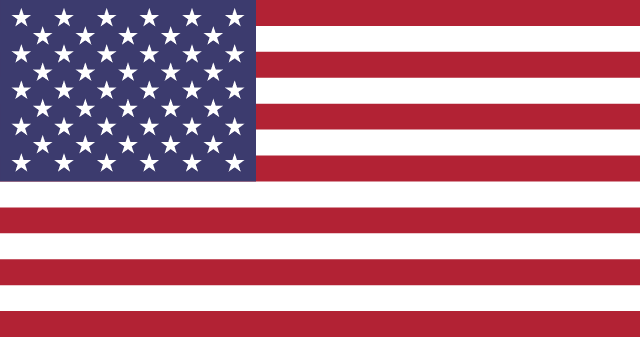
Flag of the United States

What America is

The United States is a Constitutional Republic that uses democratic elections.

  • Republic: public offices are not inherited. Power is held in trust under law.
  • Constitutional: a written Constitution limits government, even when a majority wants to skip the rules.
  • Democratic: the people choose representatives in regular elections.

Madison, Federalist No. 10 and No. 39, in one line: a pure direct democracy can crush minorities; a large republic with representation and separated powers is designed to slow factions.

Elections make it democratic in method; the Constitution makes it republican in structure.

ConstitutionAmendments

Compare

Constitutional Republic

Who rules

Elected officers and representatives, holding power in trust.

What limits them

A written Constitution, separated powers, courts, and regular elections.

Can the public fire them

Yes — through elections.

Example

United States after 1789.

How it fared

The longest-running written constitution still in force; survived civil war, depression, and world wars. Rights expanded by amendment and court fights — and through failures: slavery and Jim Crow were repaired by the Reconstruction Amendments. It still depends on the people keeping it.

Direct / Pure Democracy

Who rules

The assembled body of eligible citizens.

What limits them

Whatever the majority decides; few structural brakes.

Can the public fire them

Voters decide directly; no one to fire.

Example

Ancient Athens (adult male citizens only); New England town meetings; state ballot initiatives.

How it fared

Can be fast and legitimate in a small group, but scales poorly — and a majority can punish unpopular minorities. The Founders feared this as “mob rule,” which is why they built representation and courts.

Definition

A constitutional republic elects officers to wield power on the public’s behalf, but a written constitution sets the limits. Rights bind even a majority that wants to skip the rules.

Who holds power

Elected officers and representatives, holding power in trust.

What limits that power

A written Constitution, separated powers, courts, and regular elections.

Concrete example

United States after 1789.

How it fared

The longest-running written constitution still in force; survived civil war, depression, and world wars. Rights expanded by amendment and court fights — and through failures: slavery and Jim Crow were repaired by the Reconstruction Amendments. It still depends on the people keeping it.

Common mix-up

“Republic means the people do not rule.” False. They rule through law and elections.
ConstitutionAmendments

Glossary

Sources: National Archives, the Federalist Papers, and standard political-science definitions.

ConstitutionAmendmentsFollow the MoneyFiscal

A republic, if we can keep it.

"Honesty is the first chapter in the book of wisdom."

— Thomas Jefferson

© 2025 Constituents. Empowering civic engagement and transparency.

CONSTITUENTS
Constituents — A Republic If We Can Keep It. Real-time AI Transparency for We the People.

A Republic If We Can Keep It

Welcome to Constituents


Disclaimer

Constituents provides information synthesized from public government sources, official records, and publicly available data. All content is for informational purposes only and should not be considered legal, financial, or professional advice.

We strive for accuracy but cannot guarantee every detail is error-free. Data may change rapidly. Users should verify important information directly from official sources.

The app and its AI summaries represent no official opinion or endorsement by any government entity, political party, or individual. Any perceived bias is unintentional.

Use at your own risk.

Create Account

Already have an account? Sign in

Browse as a guest. Explore all tabs — legislation, representatives, live floor activity, news, founding documents, and more. Create an account to personalize your feed, vote on bills, and contact your representatives directly.